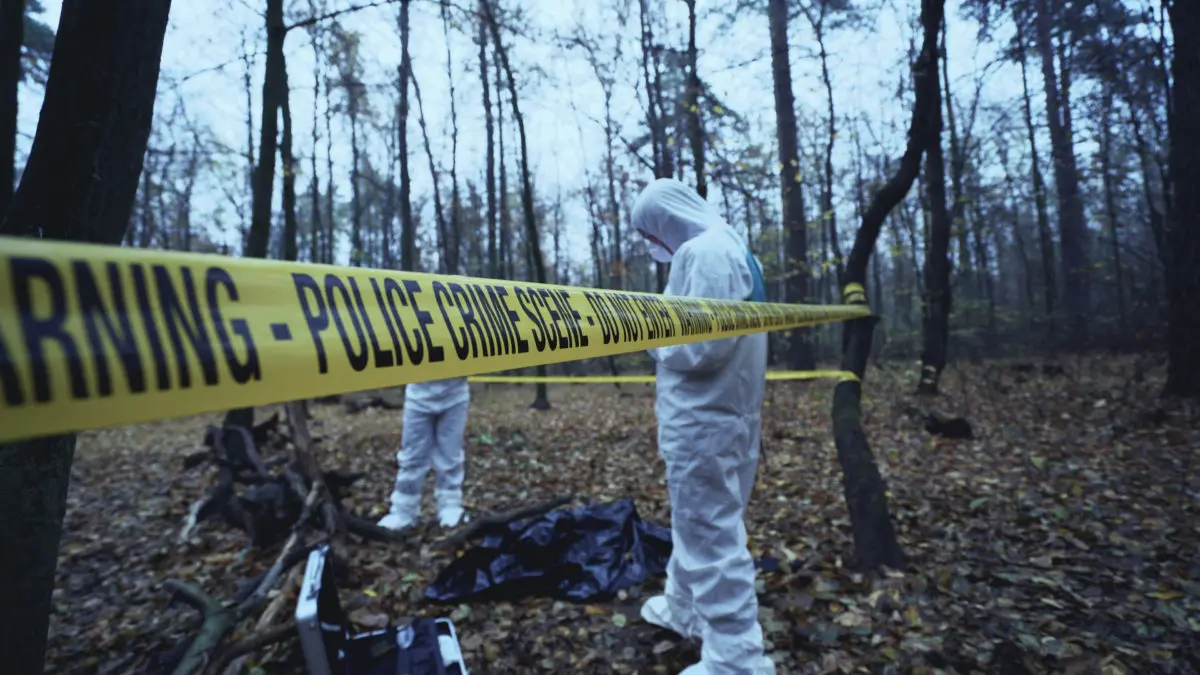
Movement of Deceased Persons by Law Enforcement Officers
Law enforcement officers are often first on scene when a death occurs and play a key role in securing the death scene, preserving evidence, investigating crimes, and protecting the public from potential threats. However, Colorado law places primary legal authority over the body of the deceased person with the county coroner. In practical terms, this means that, once a death is confirmed, officers generally may not move a deceased body unless directed by the coroner or the coroner’s authorized designee. Improper movement of remains may create risks such as the disturbance or destruction of forensic evidence, interference with the coroner’s statutory duties, or occupational health and safety hazards to responding officers. Ideally, the movement of deceased bodies is handled directly by the coroner’s office or with assistance from the county sheriff’s office. However, in practice, coroners may occasionally request municipal police officers to assist with body removal. Agencies that authorize their officers to assist the coroner should take affirmative steps to protect officer safety, preserve forensic integrity, and reduce liability exposure. Read CIRSA’s latest Risk Advisory for more about the legal framework governing the movement of deceased persons and for practical risk management suggestions for municipal law enforcement agencies.
