Hazard Alert & Poster: Legionella Risk in Building Water Systems
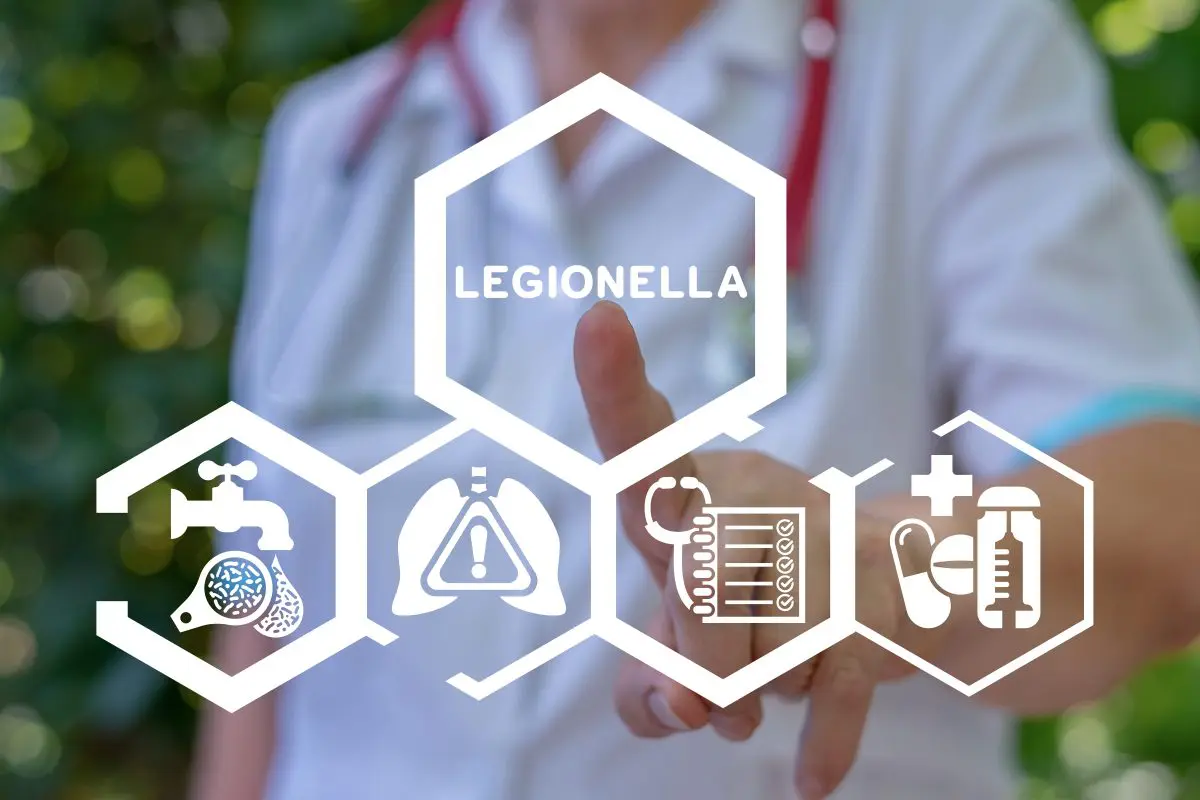
Maintaining safe building water systems is an important part of protecting the health of employees, visitors, and the public. Legionella bacteria can grow in building water systems when conditions are favorable, posing a risk of Legionnaires’ disease, a serious respiratory illness, or Pontiac fever. Facilities with complex plumbing systems, stagnant water, or inadequate water management practices may be at greater risk. Implementing routine inspections, maintenance, and a comprehensive Water Management Program can help reduce the likelihood of bacterial growth and protect building occupants.
Read the full Hazard Alert for more information on where Legionella may be found, health effects, recommended preventative measures, inspection and monitoring practices, and response actions to help reduce risks within your facility.
The Legionella Risk in Building Water Systems Safety Poster can also be found here.
Hazard Alert & Poster: Pedestrian Bridge Inspections

Ensuring the safety and integrity of pedestrian bridges is a key component of effective risk management. Unlike highway bridges, which are regulated under the National Bridge Inspection Standards (NBIS), pedestrian bridges lack a consistent national inspection framework—leaving agencies to establish their own procedures, often by adapting existing highway standards. While many follow a standard 24-month inspection cycle, this fixed approach may not fully account for varying conditions, usage, or risk factors. Regular inspections remain essential for identifying and addressing potential hazards before they pose a threat to public safety.
Read the full Hazard Alert for more information on inspection best practices, common risks, and recommended actions to support your pedestrian bridge safety program.
CIRSA has also developed a Pedestrian Bridge Inspection Checklist that members can use regularly to assist with the inspection and review of pedestrian bridges and to help identify conditions warranting a more formal and thorough inspection.
The Pedestrian Bridge Inspection Poster is also available for download here.
Hazard Alert & Poster: Safe Storage for Electric Vehicles
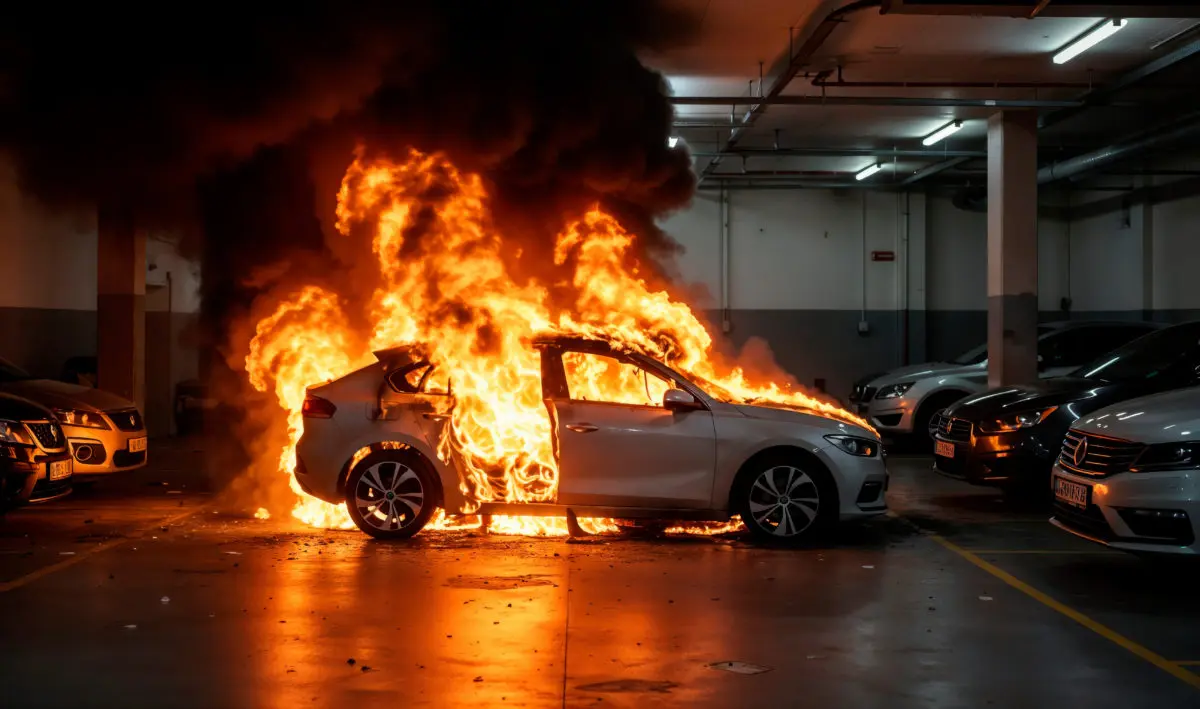
Electric vehicles are no longer a novelty in municipal operations. They are now routinely stored in fleet yards, parking structures, and garages across Colorado. When managed thoughtfully, EVs can be stored safely. However, storage location, environmental conditions, and vehicle density can quietly elevate fire, explosion, and environmental risks if not addressed in advance.
Unlike conventional vehicle fires, incidents involving lithium-ion batteries require different handling and additional planning. View the Hazard Alert for more information on how to properly store your electric vehicles and mitigate your risk.
The Safe Storage for Electric Vehicles Safety Poster is also available for download here.
Hazard Alert & Poster: Pre- and Polyfluoroalkyl Substances (PFAS)
Per- and polyfluoroalkyl substances (PFAS) are synthetic chemicals widely used in industry and consumer products since the 1940s. Known for their resistance to heat, water, and oil, PFAS are found in items like food packaging, nonstick cookware, firefighting foams, water- and stain-resistant textiles, and personal care products such as shampoos, dental floss, and makeup. However, their production and use have led to environmental contamination.
Read our Hazard Alert for more information about how PFAS are used, the risks involved, and initiatives taken to combat PFAS pollution.
The Pre- and Polyfluoroalkyl Substances (PFAS) Safety Poster is also available for download here.
Hazard Alert & Poster – Dangers of Topping Off Your Gas Tank
Topping off your gas tank might seem harmless, but it can lead to a host of unexpected issues that impact both your vehicle and your wallet. Overfilling can disrupt critical vehicle systems, cause mechanical failures, damage the environment, and result in unnecessary financial loss.
Read our Hazard Alert for more information on the dangers of topping off your gas tank and the best practices for your organization to mitigate risk.
The Dangers of Topping Off Your Gas Tank Safety Poster is also available for download here.